Evolve Stage 2: Asymmetrical hunts where teams face a lone Monster
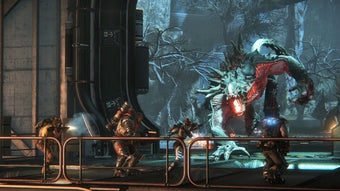
Evolve Stage 2 from Turtle Rock Studios pits a squad of four Hunters against a single player-controlled Monster in tense multiplayer bouts on an alien world. Play alternates between cooperative shooter roles for the Hunters and a predator role that grows in power during a match, changing objectives and threat levels. The title pairs 4v1 opposition, distinct class roles, a varied Monster roster, and dynamic maps. It targets players who enjoy tactical team play and competitive sci-fi action.
Evolve places coordinated teams against a lone predator
The industrialized planet setting frames a clear player motivation: Hunters track and eliminate threats while the Monster feeds to gain energy and cocoon to evolve into larger forms. A single encounter moves from pursuit and skirmish to a decisive confrontation as the Monster advances through stages, so matches act like compact tactical campaigns that reward mid-match adaptation and situational awareness.
Multiplayer demands disciplined roles and reliable callouts
The asymmetrical structure assigns complementary responsibilities across a team, which makes communication and timing central to success. Team members cover damage, tracking, healing, and support tasks that must interlock during an engagement. The solo Monster role asks the player to balance stealth, feeding, and sudden aggression, which makes each side feel mechanically distinct and encourages practiced cooperation for consistent wins.
Shear's environments and camera choices shape encounter tension
The industrialized landscapes on Shear supply varied arenas that change how hunts play out. A concise Monster roster gives each match a different rhythm; examples include:
- Goliath, heavy close-range brawler
- Kraken, ranged battlefield controller
- Wraith, stealth ambusher
The match design rewards practice but raises entry demands for lone players
Because roles split duties tightly, teams that rehearse positioning and callouts show measurable improvement in outcomes. Evolution occurring inside a match forces strategic shifts rather than long-term grind, which fuels replayability through emergent scenarios. Players who prefer solo queueing should expect a steeper coordination requirement; groups that enjoy clear role identities and tactical rhythm gain repeated value from varied match results.
Best for coordinated crews who enjoy tactical asymmetric matches
Evolve is a lively choice for players who enjoy session-length, team-focused competitive matches and emergent combat moments. Official dedicated servers closed in July 2023, limiting matchmaking and pushing play toward bots or peer-to-peer legacy options. For coordinated groups that value tactical cooperation and asymmetric conflict, the game rewards investment; solo players should consider the communication demands before committing playtime.